
The Nomad & the Many Moons
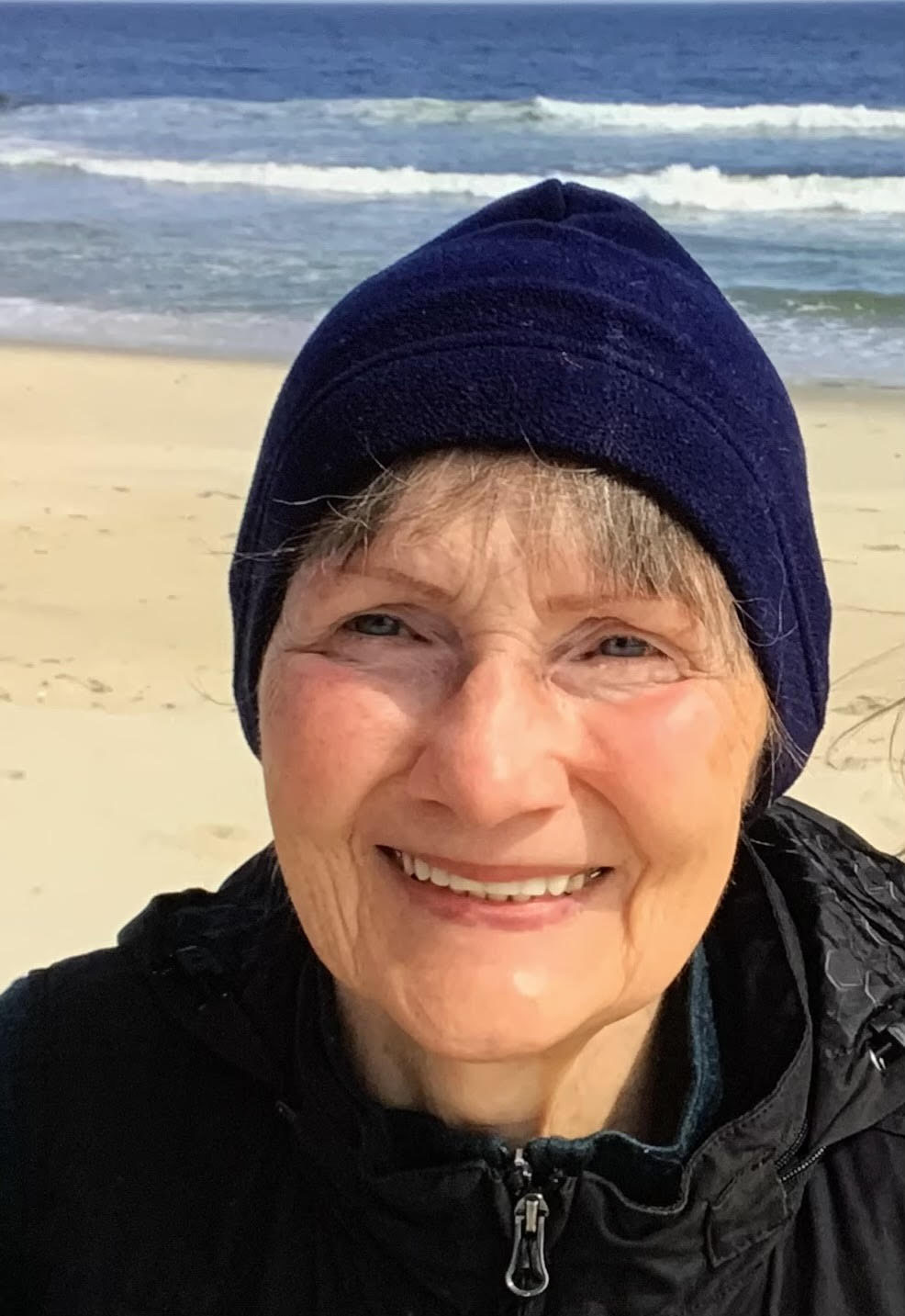
Patricia Henley has lived around, but remembers too few moons. That must change.

Oh, to be inside the mind of a physicist who understands multiverses. Maybe on some dreamtime continuum I am there, in all thirty-four places I’ve lived.
And yet, here I am in the Pacific Northwest. I consider buying a tiny house. I consider a small town across Puget Sound. The park benches and lampposts are painted a mystical watery blue. My dear friend Nance says, “Don’t move there! It rains all the time.” She doesn’t know about my secret crush, how I love the damp envelope of drizzle and mist, the comfort of the sound of a downpour, the drip on the tarp left out, the glossy weight of it. And random friends on social media give me the electronic equivalent of side eye, if I post about this move. But I say, Camellias and Viburnum are blooming in January. The bright orange petals of Japanese Spindle Tree blink like reluctant eyelids after a blissful nap. It’s advised to plant the seeds of parsnips, carrots, peas, radishes, turnips, and spinach. Now! Not April or May. On daily walks I am surrounded by mountains, Cascades to the left, Olympics to the right, and at Maple Leaf Reservoir, statuesque Tahoma, pink in some lights, steely in others.
I word it like this: I can see living out my life here.
There have been approximately 874 full moons since the month of my birth.
From the bedroom window the full moon is gray like a dime dropping into a pay phone. Remember pay phones? Sticky with snot and street grime. If I used a pay phone back in the day, I was probably calling a man. Something was at stake. The raw feeling of my skin told me so. The entire body, my body, reached through the phone for him. Whoever he was at the time. For they have all proven ephemeral.
Other moons come to mind.
Waiting on the front porch in 1957 for my father to come out and take me to Midnight Mass. I wore a shiny, copper-colored skirt, with a nylon-net petticoat. There was lore among girls about how to keep the nylon-net stiff. Some believed in sugar-water dips. On the porch I shivered. The moon floated in the blue sky. I understood midnight blue.
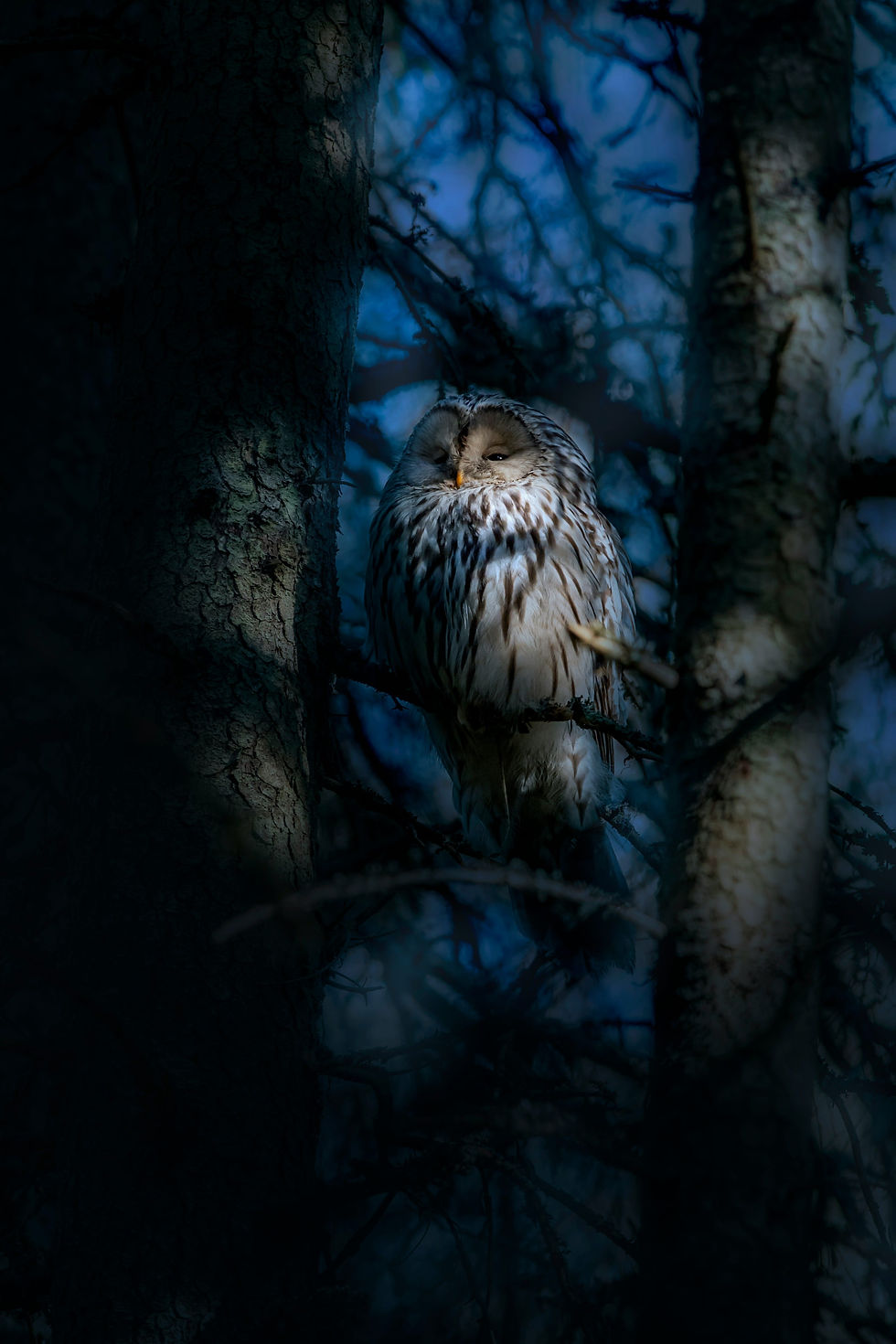
At Tolstoy Anarchist Peace Farm in 1976 I never relished a dark trip to the outhouse. Half-asleep, one February night I jammed my feet into felt-pac boots, snugged on a wool hat, and went out into the deep chill, snow squeaky underfoot, moonlight frilly and festive, lighting up woodpile and ax blade and chrome bumper of a pickup truck we’d call vintage now. A snowy owl perched on the split-rail fence: pearly, magical, hooting, a rasp like a dog’s bark that I’m told may be heard as far as seven miles away. That owl was a consolation prize for going out in the middle of the night. There’s almost always a silver lining.
Also at the farm: Every first full moon in May there was the Corn Dance. Cultural appropriation that we called honoring the Hopi. A Corn Dance Committee selected the site, cleared the brush, built a wooden bonfire structure. It meant more if the site was hard to get to.
The fire would be lit at sundown, the drumbeats would begin, the moon would rise and shine through long-needle pines. Turns were taken at the drums. Once I broke a blood vessel in one finger, drumming. The drums were central to happy growth, just enough rain, just enough sun. We were not allowed to stop drumming until sunrise. Psychedelic mushrooms were divvied up. They tasted like dirt. You could see the distant shadows of people making love in the woods. Little kids took the opportunity to run wild, screaming meemies. Dancing around the fire kept endorphins circulating. There was one rule: Everyone must forgive everyone else. Bygones rose like sparks into nothingness.
Not long ago I watched the blood moon from a rooftop.
But what happened to the other full moons? Hundreds of them. I’ve been lazy in a way that can’t be reclaimed. Those moons are in the void.
When you die you won’t know about it. That’s the weirdest part. That you won’t be able to take it in, let your psychic habitat adjust around you, discuss it with your intimates, perhaps come to some new insight or irony about life itself. Something to fold into who you are, how you sashay in, arrange yourself for others to perceive. All that will be kaput. No more processing. No more becoming. Unless you count the tree you want planted inside a biodegradable cone of your ashes. But even then, you won’t know a damned thing. Your Authenticity Badge, your Nightstand Buddhist Badge, are crematorium bound. This moment right now could be your last.
Check out the moon (I tell myself) and its monthly fat: jubilee of light on skunk stripes, riffles on river, flattened tin cans in gravel.
Patricia Henley’s fifth collection of short stories, Apple & Palm, is forthcoming from Cornerstone Press in March 2026. She is the author of three novels, five collections of stories, two chapbooks of poetry, and a stage play. Her first novel, Hummingbird House, was a finalist for The National Book Award and The New Yorker Fiction Prize. Haywire Books published a 20th Anniversary Edition of Hummingbird House in November, 2019. Her short fiction has appeared in The Atlantic, Ploughshares, The Boston Globe Sunday Magazine, and elsewhere. Her first collection of stories, Friday Night at Silver Star (Graywolf), won the Montana First Book Award. Her work has been anthologized in Best American Short Stories, The Pushcart Prize Anthology, Circle of Women, The Last Best Place, and other anthologies. For 26 years she taught in the MFA Program in Creative Writing at Purdue University. She teaches a monthly Zoom workshop for women writers and lives in Kingston, Washington.
Images:
Tree in the moonlight by Ales Krevec
Owl portrait by Erik Karitis


We used to live by counting our moons. I watch and wait for the New Moon and Full Moon all year... Patricia Henley's imagery gives form to my moonstruck heart. Thank you for choosing her words for this recent SuperMoon.
The images are magic in this essay, the message I take away that we must cherish the many moons of our lives because they will end, sad but true and well put. This sentence has meaning for me: "It meant more if the site was hard to get to." I wonder if that statement is true of most actions and their outcomes; more meaningful if they involve some striving. Beautiful piece of writing.
Such an atmospheric piece! I love to see the Full Moon in the sky but don't enjoy how skittish it makes me feel, impacting my sleep and mood. All the descriptions here will resonate with me today. Thank you!